
Enhancing Teamwork Through Team-Centered Design Principles
- Larry Lopez
- May 4
- 4 min read
When I think about what truly makes a team thrive, it’s not just the people or the tasks they tackle. It’s the environment they work in and how that environment supports their collaboration. Thoughtful design can transform a group of individuals into a cohesive, high-performing team. Today, I want to share how team-centered design principles can enhance teamwork and why they matter more than ever.
Understanding Team-Centered Design Principles
Team-centered design principles focus on creating spaces, tools, and processes that prioritize the needs and dynamics of the team. It’s about more than aesthetics or functionality alone. It’s about crafting an environment that encourages communication, trust, and creativity.
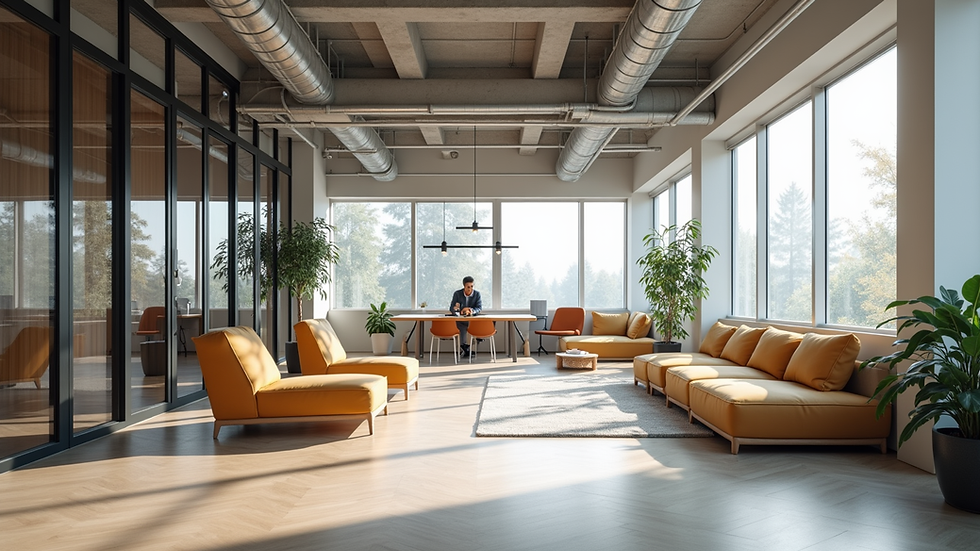
For example, consider an office layout. Instead of isolated cubicles, open spaces with flexible seating encourage spontaneous conversations and quick problem-solving. But it’s not just physical space. Digital tools designed with the team’s workflow in mind can reduce friction and keep everyone aligned.
Here are some key principles I’ve found essential:
Flexibility: Spaces and tools should adapt to different tasks and team sizes.
Accessibility: Everyone should have equal access to resources and information.
Transparency: Clear visibility into projects and responsibilities builds trust.
Comfort: Physical and psychological comfort boosts focus and morale.
Inclusivity: Design should accommodate diverse working styles and needs.
By applying these principles, teams can work more smoothly and feel more connected.
Why Team-Centered Design Principles Matter
You might wonder, why invest so much thought into design? The answer is simple: teamwork is the backbone of success. When teams collaborate effectively, they innovate faster, solve problems better, and achieve goals more efficiently.
I’ve seen firsthand how a well-designed environment can change the game. One client revamped their workspace to include writable walls, quiet zones, and communal areas. The result? Meetings became more productive, and informal brainstorming sessions increased. People felt more engaged and valued.
Moreover, team-centered design reduces common pain points like miscommunication and duplicated efforts. When everyone has the right tools and space, they spend less time navigating obstacles and more time creating value.
If you want to foster a culture where ideas flow freely and everyone feels empowered, start with thoughtful design for teams.
What are the 7 C's of Teamwork?
To deepen our understanding, let’s explore the 7 C’s of teamwork. These are foundational qualities that every successful team embodies:
Cooperation - Working together harmoniously toward shared goals.
Coordination - Organizing tasks and resources efficiently.
Communication - Sharing information clearly and openly.
Contribution - Each member actively adding value.
Commitment - Dedication to the team’s success.
Camaraderie - Building trust and positive relationships.
Conflict Resolution - Addressing disagreements constructively.
When design supports these elements, teamwork flourishes. For instance, a digital platform that encourages transparent communication and easy file sharing enhances cooperation and coordination. Physical spaces that promote casual interactions build camaraderie and trust.
By aligning design with the 7 C’s, you create a foundation where teams can excel naturally.

Practical Steps to Implement Team-Centered Design
Now, let’s get practical. How can you apply these principles in your own environment? Here are some actionable recommendations:
Assess Your Team’s Needs
Start by understanding how your team works. What are their pain points? What tools or spaces do they currently lack? Conduct surveys or informal chats to gather insights.
Design for Flexibility
Create spaces and workflows that can adapt. Use modular furniture, multi-purpose rooms, and scalable digital tools. This flexibility supports different projects and team sizes.
Encourage Transparency
Use visual project management tools like Kanban boards or dashboards. Make sure everyone can see progress and responsibilities clearly.
Promote Inclusivity
Consider diverse working styles. Provide quiet zones for focused work and collaborative areas for group tasks. Ensure accessibility for all team members.
Foster Informal Interactions
Design spaces that encourage casual conversations—coffee corners, lounges, or even outdoor seating. These moments often spark creativity and strengthen bonds.
Invest in Training and Support
Equip your team with the skills to use new tools and adapt to new spaces. Ongoing support ensures smooth transitions and sustained engagement.
Gather Feedback and Iterate
Design is never finished. Regularly check in with your team and be ready to make adjustments. This shows you value their input and are committed to continuous improvement.
By following these steps, you can create an environment that truly supports teamwork.
The Impact of Thoughtful Design on Team Success
Reflecting on all this, I realize how much thoughtful design influences not just productivity but also team morale and identity. When people feel their environment is designed with their needs in mind, they show up more fully. They collaborate more openly and innovate more boldly.
I encourage you to explore how thoughtful design for teams can transform your workspace and workflows. It’s an investment that pays off in stronger connections, clearer communication, and better results.
Remember, teamwork is not just about working together. It’s about creating the right conditions for collaboration to thrive. And that starts with design.
If you’re ready to take your team’s collaboration to the next level, start by rethinking your environment. Small changes can lead to big improvements. Let’s design spaces and systems that empower every team member to contribute their best.
Your team deserves it.


Comments